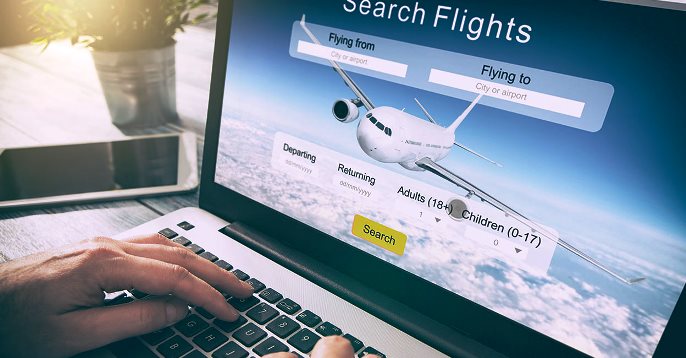
Traveling by air can be exciting, but understanding airline ticket fares and hidden charges often feels like navigating a maze. From base fares to extra fees for baggage, seat selection, and in-flight services, the total cost of a flight can be confusing for even seasoned travelers. Knowing how to read airline ticket fares and spotting hidden charges is crucial for budgeting and avoiding surprises at checkout. This guide explains everything you need to know in simple, practical terms.
1. Understanding the Components of Airline Ticket Fares
Airline ticket prices are not just a single number. The fare you see on the website or app often includes multiple components:
Base Fare
The base fare is the core price of your ticket, covering the cost of transporting you from point A to point B. It does not include taxes, fees, or additional services.
Taxes and Government Fees
Governments impose various taxes on airline tickets, which vary by country and route. Common examples include:
- Airport taxes – Paid for using airport facilities
- Passenger service fees – Charged for security, check-in, and other services
- Fuel surcharges – Added by airlines to offset rising fuel costs
These fees can sometimes add 20–40% to your base fare, so it’s important to review the full breakdown.
Airline-Imposed Fees
Airlines often add fees for services that are not included in the base fare. These can include:
- Baggage fees – Both checked and sometimes carry-on luggage
- Seat selection charges – For preferred seats or extra legroom
- Meals and beverages – On certain budget airlines
- Booking or service fees – Added for online or call-center bookings
Knowing these fees helps you compare different airlines effectively.
2. Decoding Airline Ticket Classes
Ticket classes also affect the total fare. Each class has its own rules and pricing structure.
Economy Class
The most common and affordable option. Economy fares may be:
- Non-refundable – Cheaper but limited flexibility
- Flexible – Slightly more expensive, with the option to change dates
Premium Economy
A mid-tier option offering extra legroom, priority boarding, and sometimes additional baggage allowance.
Business Class
Includes priority services, lounge access, more baggage allowance, and enhanced comfort.
First Class
The most luxurious option, often including exclusive amenities, private cabins, and gourmet meals.
When comparing fares, ensure you are checking similar classes, as base fare differences can be substantial.
3. Hidden Charges to Watch Out For
Many travelers are surprised by the extra fees that appear at checkout. Here’s what to watch for:
Baggage Fees
Budget airlines often charge for both checked and carry-on baggage. Even if your fare looks low, adding luggage can significantly increase the total cost.
Seat Selection Fees
Airlines sometimes charge extra for preferred seats such as aisle, window, or extra legroom seats.
Payment Method Fees
Some airlines add a fee if you pay with credit cards, debit cards, or third-party wallets. Always check payment terms.
Airport and Security Fees
Certain airports levy additional passenger fees that may not be included in the base fare.
In-Flight Services
Food, drinks, blankets, and entertainment may cost extra, especially on budget airlines.
Cancellation or Change Fees
Changing your flight or canceling can be costly, depending on the airline’s fare rules.
Being aware of these hidden charges can help you budget realistically and avoid last-minute surprises.
4. How to Compare Airline Fares Effectively
Comparing airline fares goes beyond looking at the initial price. Follow these steps for an accurate comparison:
- Check the Total Price – Always consider taxes, fees, and optional services.
- Review Baggage Policy – Some airlines include checked luggage in the fare; others charge extra.
- Look at Seat Options – Decide if you want to pay extra for preferred seating.
- Consider Refund and Change Rules – Flexibility can be crucial for business or uncertain travel plans.
- Read the Fine Print – Airline websites list all fees and restrictions in the fare rules section.
Using online fare comparison tools can help, but ensure they show the all-in total price rather than just the base fare.
5. Tips for Saving on Airline Ticket Fares
Book Early
Ticket prices often rise as the departure date approaches. Booking early usually ensures lower fares.
Be Flexible with Dates
Flying mid-week or during off-peak hours can reduce costs.
Compare Multiple Airlines
Check both full-service and budget airlines for the same route. Factor in baggage and service fees before deciding.
Join Loyalty Programs
Airline loyalty programs offer points or miles that can reduce future travel costs.
Use Credit Card Offers
Many banks and travel cards provide discounts, cashback, or reward points for airline bookings.
Bundle Services
Some airlines offer bundled packages including seat selection, baggage, and meals. These can be cheaper than paying separately for each service.
6. Understanding Airline Fare Rules
Every ticket has specific rules that affect its price and flexibility. Common fare rules include:
- Refundability – Non-refundable fares are cheaper but cannot be refunded.
- Change Fees – Some tickets allow date or route changes for a fee.
- Minimum and Maximum Stay – Certain fares require a minimum number of days at the destination.
- Advance Purchase Requirements – Low-cost fares may require booking a certain number of days in advance.
Reading and understanding fare rules ensures you know exactly what you’re paying for and prevents unexpected expenses.
7. Tools and Resources for Transparent Pricing
Several tools help travelers understand fares and hidden charges:
- Airline Websites – Official sites show fare breakdowns, including taxes and extra charges.
- Fare Comparison Portals – Aggregators like Skyscanner, Kayak, and MakeMyTrip display total prices.
- Travel Blogs and Guides – Helpful for learning about common fees and airline practices.
- Customer Reviews – Real traveler experiences reveal hidden charges and service quality.
Using these resources helps you make informed decisions and avoid surprises.
8. Final Thoughts
Reading airline ticket fares and understanding hidden charges is crucial for smooth and budget-friendly travel. Always review the fare breakdown, check baggage and seat policies, and understand the fare rules. By being informed, you can make smarter decisions, save money, and enjoy a stress-free journey.
Whether you are booking a domestic flight or traveling internationally, knowing how to read airline ticket fares is a travel skill that pays off every time. Take the time to compare fares, factor in hidden charges, and plan ahead for the best travel experience.